When you hand over a gift hamper, you want it to feel like a fresh bouquet of goodies, not a relic from the pantry. The question of how to ensure hamper contents are not expired is more than a logistical concern—it's a promise of quality, safety, and thoughtfulness. In this guide, we’ll walk through the steps, share a light‑hearted anecdote, sprinkle in a chef’s wisdom, and answer the most pressing questions that often pop up when preparing a hamper.
Understanding the Expiry Maze
The first hurdle is recognizing that expiration dates are not just arbitrary numbers; they’re safety nets that keep you and your guests from turning a delightful treat into a culinary hazard.
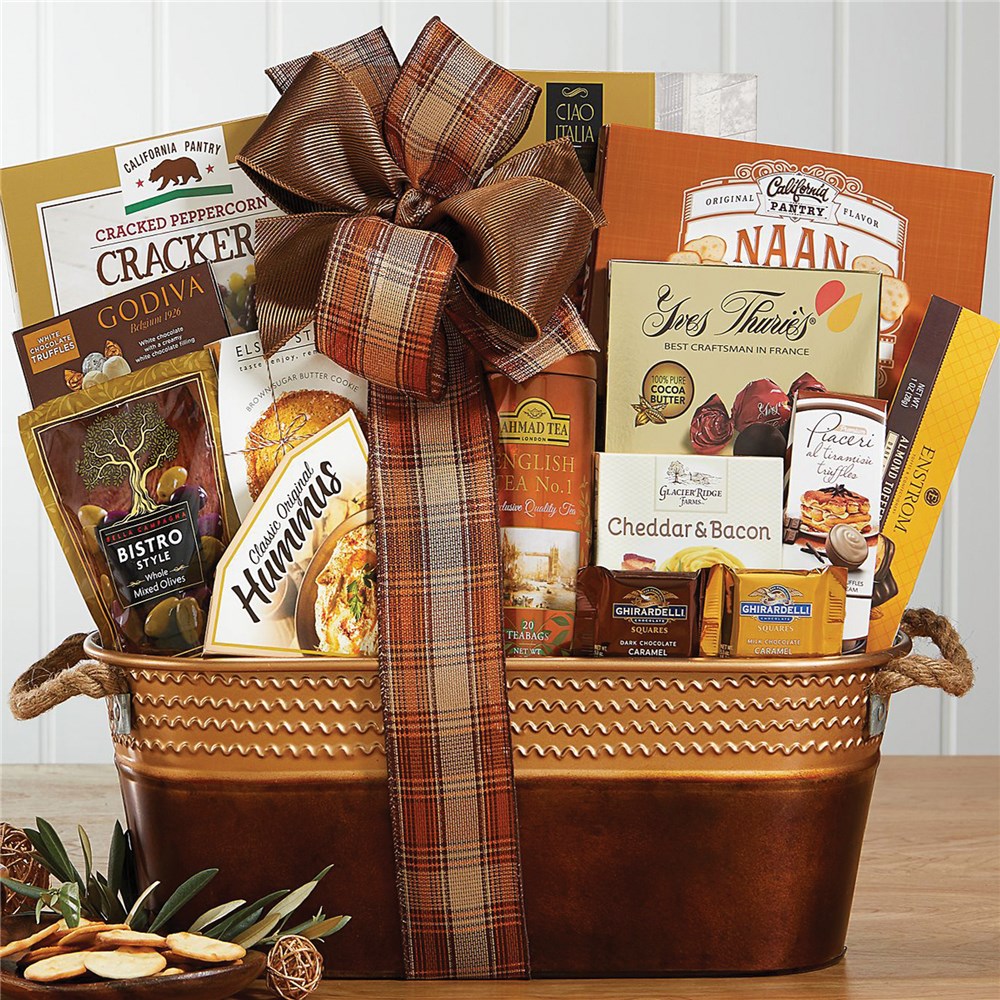
Why Expiration Dates Matter
- Safety first: Consuming expired dairy or canned goods can lead to foodborne illnesses. Quality assurance: Even if safe, expired items often taste flat or off. Credibility: A hamper with fresh items reflects well on the giver’s attention to detail.
Types of Expiry Dates
Label Literacy: Reading the Fine Print
A common mistake is treating all dates as interchangeable. Learning to read the labels correctly is essential.
Decoding the Labels
- Look for “Use‑by”: This is the gold standard for safety. Check for “Best‑before”: If you’re sure the item is still good, you can use it a bit longer, but the flavor may suffer. Ignore “Sell‑by” unless you’re a retailer; it’s about inventory, not safety.
The “Freshness Finger Test”
If a product’s packaging is still sealed and the texture feels normal, it’s usually fine. However, when in doubt, trust the date.
> “Food safety is not just a rule, it’s a responsibility,” says Chef Maria Lopez, who Margaret River wine has spent over a decade in culinary arts. “Your guests deserve the best, and that starts with knowing when a product is truly safe.”
Storage Savvy: Where to Keep Your Hamper
Even the freshest items can go bad if stored improperly. Think of storage as the backstage crew that keeps the performance (your hamper) running smoothly.
Ideal Conditions for Common Hamper Items
- Dry goods (cookies, crackers): Store in a cool, dry place away from direct sunlight. A pantry or a dedicated drawer works best. Dairy (cheese, yogurt): Keep in the refrigerator at 4°C (39°F). Wrap tightly to prevent moisture loss. Canned goods: Store in a pantry or cupboard. Avoid areas with high temperature fluctuations. Fresh produce: If you’re including fruits or vegetables, pack them separately in a cooler bag with ice packs to maintain freshness until the day of delivery.
The “One‑Hour Rule”
If you’re assembling a hamper at home, try to complete the packing within an hour of purchasing the items. The shorter the time between purchase and packaging, the less chance for spoilage.
Timing Tricks: From Purchase to Presentation
Timing is everything. A well‑timed hamper feels like a thoughtful gift rather than a last‑minute scramble.
When to Buy
- For same‑day delivery: Buy everything the day before. Most items will still be within their safe window. For future delivery: Purchase at least 3–5 days in advance to allow for any unforeseen delays.
Packing Order
Start with the most perishable: Place dairy or fresh items at the bottom of the hamper to protect them from bumps. Add dry goods next: These are less vulnerable to temperature changes. Top it off with decorative touches: A ribbon or a small card doesn’t affect expiration, but it enhances presentation. li16li16/li17li17/li18li18/li19li19/li20li20/li21li21/li22li22/li23li23/##Keeping the Hamper Fresh and Fabulous
You’ve now mastered how to ensure hamper contents are not expired. Think of your hamper as a living artwork—each item a brushstroke that needs the right timing, temperature, and care. By following these guidelines, you’ll deliver a gift that not only looks great but also feels safe and thoughtful.
Ready to put these tips into practice? Pick up your favorite items, double‑check the dates, and pack with confidence. Your recipients will appreciate the extra care, and you’ll enjoy the peace of mind that comes from knowing every bite is fresh and safe.